The Complete Guide to Choosing the Right Concrete Mix for Your Project

concrete franklin tn

Whether you’re building your own home driveway or managing a commercial construction job, the right concrete mix is essential. The best concrete mixes are tailored to specific project requirements, optimizing material usage.

Understanding what factors determine the ideal concrete mix for your construction needs helps you achieve superior results. This guide explores the most important considerations, from load-bearing capabilities to environmental conditions and more. Contact Concrete Franklin TN for more details.

Strength

Concrete is one of the most versatile construction materials available, and it can be used for projects of any size. However, choosing the right concrete mix is essential to ensure that your project is built to last without wasting time or money.

The strength of a concrete mix is determined by the proportions of its dry ingredients, including sand, stone and gravel, and cement. The amount of water used to make the mix is also important, as it affects how fast the concrete sets and its strength.

Typically, a higher-strength mix requires more water and less cement. However, balancing the ideal mix of dry ingredients can be tricky. Too much water can result in weak concrete, while too little will cause the mix to set too quickly and lose strength.

It’s also important to consider the type of force that will be applied to the concrete during its life. Concrete handles compressive forces very well, but it’s not as resilient against tensile stress, which comes from perpendicular forces pulling on the concrete. High-strength concrete can handle tensile stresses more easily, but this is only true for the most precisely mixed and placed concrete.

The best way to guarantee that a concrete mix is strong enough for a particular application is to use a pre-mixed concrete that has been tested by an accredited lab. The testing process includes a Modulus of Elasticity (MOE) test, which is complex and time-consuming. Not all laboratories are equipped to perform these tests, so it’s important to select an experienced concrete supplier who can provide high-quality, accurate results.

In addition to ensuring that the concrete you’re using is high-strength, you can enhance its performance by selecting the right admixtures and curing techniques. For example, air-entraining admixtures help to increase the strength of concrete by reducing permeability, and selecting high-quality aggregates helps to improve workability and durability.

Durability

A concrete mix’s durability is a vital factor in its success. Its ability to withstand environmental and mechanical stresses over time reduces the need for repairs and replacements, lowering lifecycle costs. To maximize concrete’s longevity, engineers should consider the load-bearing capacity, environmental conditions, construction practices, and maintenance and repair strategies. Incorporating sustainable materials and advanced admixtures into concrete helps boost its performance and durability.

Concrete mix design is a crucial element in the longevity of any concrete structure. For instance, choosing the right ratio of sand to aggregate improves concrete’s strength and stability. Mixing the dry ingredients properly ensures that all particles are evenly dispersed and activated. Adding water slowly ensures that the mixture is thick enough to be poured. This prevents overheating and weakening the mixture.

The right concrete mix also determines how long it takes for the concrete to set and harden. For projects with tight timelines, choosing a rapid-setting or fast-curing concrete mix is essential. Moreover, selecting a concrete with a low slump value makes it easier to work with for difficult-to-reach areas or intricate forms.

Whether it’s a foundation, driveway, or flooring project, the type of concrete you choose can have a significant impact on your finished product. Selecting a commercial concrete mix that meets your technical requirements and budget constraints is essential for the longevity of your project.

Start by classifying the exposure conditions of your structure, as a column in a coastal environment faces different challenges than an interior slab. Next, engineer-approved specifications should be established, including the maximum water-to-cement ratio, minimum cement content, type and percentage of SCMs, target air content, and required strength. Durability tests are recommended, as well, to verify that the chosen commercial concrete mix maintains integrity under expected environmental conditions.

Aesthetics

Concrete is more than cement, sand, and aggregate; it’s a meticulously engineered material with precise proportions and ingredients that determine its strength, durability, and workability. Selecting the right mix is a critical step in construction, but it’s also an opportunity to create a unique aesthetic. Tailoring ready-mix concrete involves customizing mix proportions, incorporating specialty additives, and adjusting workability levels to achieve specific specifications like ideal compressive strength and durability.

The first step in selecting the right concrete mix is to understand the requirements of your project. This includes identifying the type of load-bearing capacity needed and environmental conditions to ensure that the concrete can withstand these demands.

You also need to consider how the concrete will be used, as this will impact its workability and durability. For example, commercial and industrial projects often require high-strength concrete (40-80 MPa) to support heavy equipment, vehicles, and structures that are exposed to abrasion and chemical spills over long periods of time.

When choosing the right concrete mix, it’s important to find a supplier with technical expertise and reliable delivery. They should be able to fine-tune the mix design for your project and recommend admixtures that enhance performance and increase aesthetics. They should also have a local presence to better understand regional climate and soil conditions that could affect mix performance.

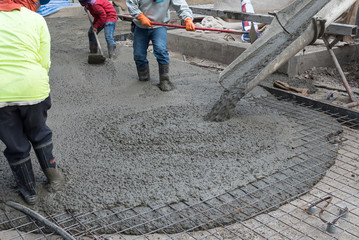
Once you’ve selected the ideal concrete mix, you can begin constructing your structure. Be sure to follow all best practices for mixing, placing, and curing to ensure that your finished concrete has the strength, durability, and aesthetics you need. Ultimately, the perfect concrete mix is a fusion of artistry and scientific precision, creating a testament to human ingenuity that stands for generations to come.

Workability

Workability is the ability of a concrete mix to be handled and placed without segregation (separation of aggregates and cement). It can be affected by numerous factors, including water-cement ratio, aggregate size and shape, and additives such as plasticizers and air entrainers. High workability allows a concrete to be poured, compacted, and finished more easily, which helps reduce labor costs and project delays.

Selecting the right concrete mix for a construction project requires careful consideration of multiple factors, from strength and durability to environmental conditions and budget constraints. By working with trusted ready-mix suppliers and adhering to industry standards, contractors can mitigate risks and ensure the success of their projects.

For example, the concrete mix’s compressive strength determines its load-bearing capacity and prevents cracking and crumbling. This property is important because it enables engineers to design structures that meet structural requirements and avoid construction failures. It also reduces the amount of reinforcing steel required to support large loads, which saves money on materials and installation costs.

The concrete mix’s curing time is another factor that must be considered. It is important to choose a mix that cures at an appropriate rate for the intended application, as over-curing can lead to damage and premature failure. In addition, weather conditions must be taken into account, as extreme temperatures and freeze-thaw cycles can impact the durability of concrete.

By understanding these important factors and selecting a concrete mix that is tailored to your project, you can achieve the desired results without any surprises down the line. The right mix will not only save you time and money, but will also contribute to the longevity and safety of your construction project.

Cost

Concrete is a major investment that requires careful planning and attention to detail. Understanding the factors that influence its cost and employing practical strategies for managing expenses can help you bring your vision to life while staying within budget.

Choosing the right concrete mix is crucial for ensuring that your construction project meets structural requirements, and that it’s safe and durable for its intended use. The mix’s specific properties are determined by its combination of key components: cement, aggregates, water, and additives. The proportions of these ingredients, and mixing techniques, impact not only concrete’s strength and durability but also its cost.

Cement is the glue that holds your concrete together, while sand and gravel or crushed stone provide bulk and strength. When mixed with water, the ingredients undergo a chemical reaction called hydration to harden and bind the materials together. Adding additives such as color, accelerators, retarders, and air-entraining agents can add functionality, increase workability, and enhance durability.

The type of aggregate used determines a concrete’s density, with lighter mixes requiring less material to achieve the same strength and durability. Lightweight concrete is ideal for high-rise buildings where weight savings can improve energy efficiency, while heavyweight concrete includes denser aggregates like magnetite or hematite to meet specialized applications such as radiation shielding in hospitals and nuclear facilities.

When deciding whether to mix your own concrete or opt for ready-mix, consider the costs of equipment and labor. Ready-mix can be more costly upfront, but can save money on equipment and labor in the long run by reducing waste and increasing workflow efficiency. When selecting a ready-mix supplier, evaluate their reputation, quality control measures, delivery fleet reliability, and pricing strategies to ensure you’re getting the best value for your money.

What Does a Workflow Consultant Do?

Workflow Consultant helps a bank streamline their operational efficiency. They use automation tools like ApiX-Drive to facilitate the integration of various applications and services.

Workflow Consultant

Effective email prioritization and organization is critical to productivity. Look for a workflow solution that offers email inbox integration so you can manage emails directly within the platform.

A strong communication aptitude is essential for any career. From conversing with customers and co-workers to presenting findings and drafting reports, effective communication skills are the foundation of a successful work environment. Good communication encompasses verbal and non-verbal elements, including tone of voice, facial expressions, and body language. It also includes being patient and listening to understand the points of view of others, ensuring that messages are conveyed clearly.

A freelance workflow consultant’s strong communication skills are critical to a successful project, enabling them to effectively communicate technical findings and recommendations in easy-to-understand terms for stakeholders. They’re also able to translate technical findings into actionable business insights that drive change and enhance operational efficiency.

Workflow automation consultants are responsible for assessing current processes and designing automated solutions to streamline workflows. This involves identifying bottlenecks and working with other departments to find a solution. It’s important for them to stay up-to-date on the latest automation technologies and best practices, allowing them to provide innovative solutions tailored to a bank’s unique needs.

In addition, they’re able to identify and resolve issues, including miscommunication and conflict, in a timely manner. They can ask clear questions and provide constructive feedback, which helps to eliminate misunderstandings and foster accountability. They’re also able to provide updates and clarity on progress throughout projects, keeping stakeholders informed and motivated.

The best workflow consultants are able to handle the pressure of fast-paced and complex work environments. They prioritize quality over quantity and are able to adapt to changing priorities and deliver results on tight deadlines. They’re also able to provide insightful suggestions and alternatives, as needed.

As the banking industry continues to evolve, many financial institutions are turning to workflow automation to streamline their operations and improve efficiency. A workflow consultant can help them reduce manual processes, increase productivity, and achieve cost savings. This role requires a combination of expertise in process engineering techniques, familiarity with the banking sector’s regulations and products, and understanding of the latest technology.

Seamless Integration

Workflow automation is a crucial part of efficient business processes. It reduces human error and boosts efficiency by automating repetitive tasks and freeing up employees to focus on more valuable work. However, seamless workflow automation requires a comprehensive strategy and integrated tools to be successful. This is where the role of a Workflow Consultant comes in. Workflow Consultants are skilled at evaluating current processes and identifying automation opportunities. They are also proficient at choosing and deploying automation solutions that align with specific business needs and can adapt as the organization evolves. This is particularly important for SMBs, which operate with lean teams and limited budgets.

One of the most critical roles of a Workflow Consultant is ensuring that the automation solution is seamlessly integrated with other systems. This is critical to ensuring that the system can be used effectively, and that it can respond to issues quickly and efficiently. Coastal Computer Consulting, for example, helps SMBs in Savannah, Georgia, select and implement automation tools that are compatible with their current systems. This includes integrating billing systems and streamlining communication with customers. This integration process is complicated, and it requires a strong understanding of how different systems interact with each other.

In addition to integrating with existing software, Workflow Consultants are also adept at creating documentation that describes the automated process. This documentation can include flow charts, functional specifications, and implementation plans. They also have knowledge of project management frameworks and a deep understanding of change management processes. They can translate technical findings into practical business insights and identify maintenance and risk trade-offs.

Lastly, Workflow Consultants should have a good understanding of the specific requirements and challenges of IVD diagnostic laboratories. They should be familiar with lab workflows, QC/QA procedures, and reporting. They should also be familiar with a range of IT systems, including laboratory information management (LIMS) and customer relationship management (CRM) tools.

Streamlined email prioritization and organization is vital to a successful consulting practice. This is because it allows consultants to better manage their workloads and ensure that emails are responded to in a timely manner. This is especially important for high-priority emails, which may require urgent attention. Moreover, a streamlined email management process can help reduce the number of emails that are sent out, improving overall productivity.

Automated Email Sorting and Categorization

As a professional, emails are constantly flooding your inbox and oftentimes, it can be challenging to stay organized. An email workflow system streamlines the process of managing inbound communication by facilitating efficient email prioritization and organization. This eliminates the need for time-consuming manual processing and ensures that essential messages aren’t overlooked or lost in a cluttered inbox.

Using an email workflow solution can also help improve collaboration and reduce miscommunication among team members. Its centralized communication platform allows you to share documents, assign tasks, and track progress in real-time. This eliminates the need for lengthy email threads, which can be disruptive to productivity. Consulting Firm B was able to successfully implement an email workflow solution that greatly improved their team’s productivity and efficiency. They were able to prioritize and respond to client inquiries in a timely manner, which ultimately resulted in increased client satisfaction.

In addition to facilitating email prioritization, an efficient workflow system provides an automatic categorization feature that automatically classifies emails based on the type of content they contain. For example, it can differentiate between personal and work-related emails by separating them into different folders. It can even categorize emails based on their urgency, allowing individuals to quickly identify and attend to urgent communications. Tidy Haus’s workflow consulting services equip professionals with tools and strategies that help them establish effective email filtering and labelling strategies.

Another way to improve email workflow is to utilize an automated archiving tool. It is a secure and reliable method of storing and retrieving important documents like invoices, purchase orders, contracts, and reports. This helps you avoid having to manually download and save these files, which can be time-consuming and result in errors. Moreover, an automated archiving system helps to eliminate the risk of unauthorized access to sensitive information.

To optimize your email workflow, be sure to regularly analyze important metrics and seek feedback from your team members and clients. This will allow you to identify areas that need improvement and take action accordingly. In addition, an email workflow solution should provide a comprehensive set of features that can help you manage your workload effectively, including email integration and compatibility, centralized communication, automatic document tagging, and automated archiving and classification.

Adaptability

In an age of rapidly changing business processes, the ability to adapt to change is essential. Consulting firms value applicants who can quickly adjust their strategies and solutions to meet shifting client needs, even in the face of unforeseen challenges. When preparing for an interview, draw on examples from your professional career that demonstrate your ability to adjust to new environments and situations. For example, if you have experience developing and improving clinical chemistry diagnostics laboratory workflows, then these experiences can be highlighted as an asset when applying for a Workflow Consultant position.

Lab managers are under increasing pressure to boost productivity and efficiency in the face of rising costs, regulatory changes, staff shortages, and competitive demands. Many are looking to re-engineer their labs with a combination of solutions, including upgrading instruments and IT, implementing workflow automation software, and consolidating labs.

A strong workflow analyst can methodically analyze a lab’s processes and determine the best solution to achieve their clinical and business objectives. They can provide a clear understanding of how each process works, identify bottlenecks, and recommend improvements. They can also use data and analytics to support their recommendations, ensuring that the proposed changes will deliver optimal results.

In addition to being a workflow expert, a successful digital workflow consultant has a solid background in process improvement. This includes Lean healthcare certification, Six Sigma green or black belts, informatics training, and IVD diagnostic laboratory expertise. This will enable them to dissect existing workflows and make strategic improvements that will maximize the benefits of any new technology solutions.

Having a strong background in process improvement can also help a consultant understand when it doesn’t make sense to automate a specific process. Often, a broken process is so messed up that automation would only create a faster mess. A good consultant will tell you this — even if it feels like bad news!

A senior digital workflow consultant will also be well-versed in advanced technologies such as document management, electronic content management (ECM), robotic process automation (RPA), and artificial intelligence (AI). This is important because these advanced systems need to interact with and be integrated with workflow automation software. This requires a deeper level of knowledge and experience that can only be gained through working in the field over time.

Top Decorative Concrete Trends Homeowners Are Loving This Year

https://decorativeconcretesolutions.biz/

From textured surfaces to carbon-neutral concrete mixes, innovative solutions are elevating decorative concrete beyond functional and into a dynamic design option.

Gone are the days of plain grey slabs. Instead, homeowners are embracing vibrant shades that complement their outdoor aesthetic.

Concrete is also gaining popularity in nature-inspired patterns. With advanced stamping techniques, it’s possible to get the look of stone or wood at a fraction of the cost. Visit https://decorativeconcretesolutions.biz/ for more details.

Coloured Concrete

Concrete, the industrial building material long associated with utilitarian buildings like warehouses and malls, is getting a design-forward makeover as eye-catching outdoor and indoor surfaces. Coloured concrete has become a popular choice for homeowners to add style and flair to their home, garden and workplace. The trend is being seen across a range of areas from driveways and pathways to patios and pool decks, seamlessly blending with surrounding landscaping and the architectural style of the house.

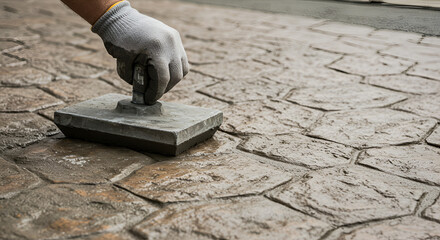
The popularity of coloured concrete is thanks to its versatility and the fact that it can be moulded into different shapes, sizes and textures. It also offers a diverse palette of colours to suit any aesthetic, from earthy tones and vibrant hues to more subtle shades. The concrete can also be stamped with patterns to imitate the look of other materials such as natural stone, tiles or wood to achieve unique designs.

With the right mix and the right pigments, concrete is extremely versatile and durable. For example, using oxides that are added during the batching process can allow for a wide range of colour options. The addition of these materials also increases the durability of the concrete, making it resistant to stains and weathering. Coloured concrete is a great option for high-traffic areas like driveways, and the fade-resistance of the pigments allows it to retain its visual appeal even after extended exposure to sunlight.

In addition to the many design possibilities, coloured concrete is easy to maintain and affordable in comparison to other materials. It can be easily maintained by sweeping up any debris or dirt that is trapped in the surface, and it requires little to no regular cleaning. The specialised pigments used to colour concrete are designed to withstand UV rays, ensuring that the concrete stays bright and vibrant for longer than other decorative materials.

Coloured concrete is also being used to create custom furniture pieces such as coffee tables and benches. These eye-catching fixtures are a great way to incorporate the trend into your home without breaking the bank. They are an ideal way to add a pop of colour to your living space and can be used as a focal point in the room.

Exposed Aggregate

As with fashion, concrete trends are cyclical. Exposed aggregate is one of those styles that saw a bit of a decline a few years ago but has now come back in vogue.

This style offers the unique combination of durability and beauty that many homeowners are seeking. Its rough texture provides slip resistance and works well in areas that experience a lot of foot and vehicle traffic. It is also a great option for outdoor spaces that need to be functional yet stylish, such as patios, driveways, and walkways.

Homeowners can create a wide variety of looks with exposed aggregate concrete. It can be a smooth, rustic surface or one with more textural interest, like pebbles or manufactured materials like glass and recycled colored concrete. The options are truly endless.

The type of aggregate used in your concrete plays a big role in how your finished surface will look. From natural, earthy colors to brighter options, it is important to understand how the color of your aggregate will impact the overall look of your project. You can also use chemical stains to highlight specific features in your aggregate, as well as varying the amount of aggregate that is exposed.

For example, a light exposure will create a more subtle finish that pairs well with other decorative concrete treatments. A heavy exposure, on the other hand, creates a more dramatic, eye-catching look. You can even split up your aggregate in patterns, wood divider strips, or bands of contrasting aggregates to further customize your project.

Unlike other decorative concrete finishes, exposed aggregate requires very little maintenance. As long as your contractor uses a high-quality chemical retarder during the pour, the color will hold up and won’t fade over time. This means that your exposed aggregate patio will remain beautiful for decades with just a regular cleaning.

Adding a splash of visual interest to your home doesn’t need to break the bank. Thanks to advances in concrete technology, you can now achieve a sophisticated design without having to spend a fortune. With the right contractor and the right products, your next decorative concrete project can be exactly what you’re looking for – beautiful, durable, and cost-effective.

Microtopping

Concrete microtopping is a decorative overlay that is increasingly popular among homeowners for its versatility and sleek aesthetic. This material is perfect for enhancing existing surfaces and creating modern designs, and it is also environmentally friendly. It can be applied over a wide range of substrates, including gypsum and VCT floors, which makes it an ideal solution for renovation projects in retail spaces, commercial buildings, and office spaces.

It is often used as a skim coat to spruce up worn or damaged concrete surfaces, as it can hide cracks and discoloration while delivering a smooth surface. It can also be stained, dyed, stenciled, or stamped to mimic the look of tile, stone, or wood. Concrete micro toppings can be tinted in a variety of colors and can be trowelled to varying degrees, allowing for an endless array of decorative finishes.

Because of its high level of durability and resistance to stains, chemicals, and abrasion, microtopping is an excellent choice for wet areas like bathrooms and kitchens. It can be easily wiped down and resists bacteria buildup, resulting in a healthier, more hygienic flooring option than traditional tiles. In addition, the seamless application of microtopping eliminates grout lines that harbor dirt and grime, making maintenance a breeze.

When properly installed and maintained, microtopping is a long-lasting decorative concrete solution. It has an exceptional bond to the underlying concrete substrate, and it can be sealed with a variety of different products that provide a customized finish. It is recommended that protective sealers be resealed at regular intervals to ensure maximum longevity.

With its modern design and sustainable benefits, it is no wonder that microtopping is the top choice for many Bay Area architects. Contact a concrete coating expert to learn more about this innovative material and how it can be used in your residential or commercial project.

Sustainable Solutions

Concrete is a popular material for flooring because it provides a durable, long-lasting and visually appealing alternative to traditional carpeting, tile, wood, or stone. It can be customized to suit a variety of aesthetics with color, texture, and patterning options. Decorative concrete coatings like polished, stained, or etched concrete can mimic the appearance of ceramic tile, natural stone, linoleum, and other flooring solutions. This versatility makes decorative concrete a desirable solution for flooring needs in commercial spaces as well as residential ones.

However, like all surfaces, decorative concrete can become damaged and worn over time due to weather conditions, foot traffic, and other factors. Revitalizing these surfaces without resorting to complete replacements is key to maintaining client satisfaction and keeping project budgets on track. Fortunately, there are several cost-effective methods like polishable overlays, sprayable toppings and a range of resurfacing techniques that can rejuvenate existing concrete with minimal disruption to the landscape or structural integrity.

Homeowners are increasingly looking to incorporate sustainable design elements into their homes. This includes utilizing a mix of renewable and recycled materials in the construction process, as well as reducing energy usage, water consumption, and waste production. Similarly, consumers are increasingly willing to pay a premium for products that have been produced in an environmentally responsible manner.

The global decorative concrete market is growing at a fast rate driven by a robust construction sector, especially in the non-residential segment. Moreover, increasing demand for decorative concrete in flooring applications has further contributed to the growth of this market. The growth of this market is complemented by rising interest in green buildings, especially amongst homeowners.

Compared to natural stones, concrete is more affordable and has a high durability. It is also environmentally friendly as it can be recycled and reused over and over again. In addition, it is a good choice for outdoor use because it is naturally resistant to moisture, frost damage, and wear. Furthermore, it can be finished with a waterproof sealer to protect it from stains and to keep the surface in good condition. This makes it a popular choice for patios, driveways, and pool decks.