Indoor air quality can be affected by more than dust, humidity, ventilation, and everyday household activities. Pest infestations can also introduce unwanted biological materials into living spaces, particularly when insects or rodents establish themselves inside walls, cabinets, attics, basements, or HVAC-related areas. Droppings, shed insect material, nesting debris, odors, and other contaminants can accumulate when pest problems are allowed to continue. Pest Control Fort Pierce does not replace proper ventilation, filtration, moisture management, or professional indoor air quality testing, but eliminating infestations can remove one potential source of indoor contaminants. Understanding the relationship between pest control and indoor air quality can help homeowners take a more complete approach to maintaining a cleaner indoor environment.
How Can Household Pests Affect Indoor Air Quality?
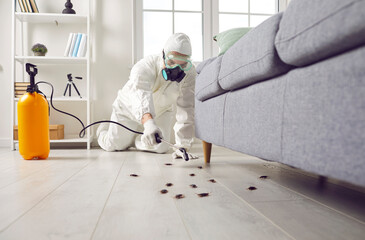
Pests can leave behind a variety of materials as they travel, feed, reproduce, and nest throughout a home. Rodents may produce droppings and urine, while insects can leave shed skins, body fragments, nesting material, and other debris. These contaminants may accumulate in hidden areas where homeowners rarely clean. Activity inside wall cavities, attics, crawl spaces, and storage areas can allow pest-related debris to remain unnoticed for extended periods. Eliminating the infestation removes the source of continued contamination.
Pest problems can also create persistent unpleasant odors. Rodent nesting areas, droppings, urine, decaying pests, and heavily infested spaces can produce smells that affect the comfort of nearby rooms. Simply masking these odors with air fresheners does not address their source. Pest management may need to be combined with appropriate cleaning and sanitation after the infestation is controlled. Removing both the pests and the materials they leave behind provides a more complete solution.
Can Cockroaches Affect the Indoor Environment?
Cockroaches can be particularly problematic because they commonly live in kitchens, bathrooms, utility spaces, and other areas where food, warmth, and moisture are available. As cockroaches move through a property, they can leave droppings, shed body parts, and other material behind. These particles can become part of household dust if an infestation is allowed to continue. Hidden populations may exist behind appliances, inside cabinets, and within cracks and wall spaces. Controlling the infestation helps stop the continuous addition of pest-related debris.
Cleaning is an important companion to cockroach treatment. Food residue, grease, garbage, and moisture can support cockroach populations and make long-term control more difficult. After pest activity has been addressed, contaminated areas may require careful cleaning using appropriate methods. Leaking plumbing and other moisture problems should also be corrected. Combining pest control with sanitation and moisture management can improve overall household conditions.
How Can Rodents Influence Indoor Air Quality?
Mice and rats can create problems when they establish nesting or travel areas inside a building. Droppings, urine, nesting materials, fur, and other debris may accumulate in attics, cabinets, garages, wall cavities, or storage areas. When infestations persist, the amount of contamination can increase significantly. Rodents may also move through dusty or dirty hidden spaces before entering other parts of the home. Controlling rodent activity prevents additional waste from accumulating.
Rodent control should focus on more than removing individual animals. Entry points should be identified and appropriately sealed so new rodents cannot simply replace those that were removed. Food and water sources should also be reduced, while stored materials should be organized to eliminate convenient nesting areas. Existing contamination may require appropriate cleanup after the infestation has been controlled. This combination of removal, exclusion, sanitation, and prevention provides stronger long-term results.
Can Pests Affect People With Allergies or Respiratory Sensitivities?
Certain pest-related materials can contribute to indoor allergen exposure. Cockroach debris is a recognized indoor allergen, and rodent-related materials can also be undesirable contaminants in occupied spaces. People differ in how they respond to environmental triggers, so not every household member will experience the same effects. Pest control can reduce continued exposure by eliminating active infestations and preventing additional pest debris from accumulating. It should be viewed as one part of broader indoor environmental management.
Homeowners should avoid assuming that pest control alone will resolve unexplained respiratory symptoms. Indoor air quality can be influenced by mold, dust mites, smoke, pet allergens, ventilation, humidity, outdoor pollution, and many other factors. Persistent health concerns should be discussed with an appropriate healthcare professional rather than diagnosed based solely on the presence of pests. When an infestation exists, however, eliminating it removes an avoidable source of indoor contamination. Addressing several environmental factors together may provide better overall results.
Can Pest Control Around HVAC Systems Make a Difference?
Pests sometimes enter areas around ducts, utility penetrations, equipment rooms, and other building systems because these locations provide warmth or protected pathways. Rodents may travel through spaces around ductwork, while insects can enter through small openings near pipes and cables. Pest activity close to air-handling components deserves attention because debris should not be allowed to accumulate around systems involved in moving air through the home. Entry points around these areas can also connect several parts of the building. Inspection can help determine where pests are gaining access.
Pest control professionals do not replace qualified HVAC technicians, and the two services address different problems. If pests have damaged ductwork, insulation, wiring, or HVAC equipment, the affected components may require separate professional inspection and repair. Contaminated areas may also need appropriate cleaning after pest removal. Coordinating pest exclusion with building maintenance can help prevent recurrence. The goal is to correct both the infestation and the conditions that allowed pests to reach these spaces.
Does Professional Pest Control Automatically Improve Air Quality?
Professional pest control can eliminate or reduce a source of contamination, but that does not mean every treatment automatically produces a measurable improvement in overall indoor air quality. A home may have several unrelated air-quality concerns at the same time. Poor ventilation, excessive humidity, mold growth, combustion sources, and household chemicals can all influence indoor conditions independently of pests. Pest control is most beneficial to air quality when an active infestation is contributing debris, odors, or contamination. The broader indoor environment still needs to be considered.
The treatment method itself should also be selected and used appropriately. Pest management professionals may use traps, baits, targeted applications, exclusion techniques, monitoring, and other approaches depending on the pest. Homeowners should follow any preparation, re-entry, ventilation, or cleaning instructions provided for the specific treatment. Products should always be used according to their labels and intended applications. Responsible treatment focuses on controlling pests while minimizing unnecessary exposure.
Why Are Moisture Control and Pest Prevention Connected?
Moisture is one of the most important factors connecting pest activity with broader indoor environmental conditions. Cockroaches and many other pests are attracted to areas where water is consistently available. Leaking pipes, condensation, damp basements, and poorly ventilated bathrooms can therefore support pest populations. These same moisture problems can also contribute to other indoor concerns unrelated to pests. Correcting water problems provides several benefits at once.
Homeowners should inspect beneath sinks, around toilets, near water heaters, and in basements or crawl spaces for persistent moisture. Plumbing leaks should be repaired rather than simply placing containers beneath them. Ventilation and drainage problems may also require attention when humidity remains high. Removing moisture makes the property less attractive to many pests while supporting a healthier building environment. Pest prevention works best when the underlying conditions are corrected.
What Pest Control Methods Support a Cleaner Indoor Environment?
Integrated pest management focuses on understanding why pests are present and addressing those conditions alongside targeted treatment. This can include sealing entry points, improving sanitation, removing food sources, correcting moisture problems, using monitoring devices, and applying pest-control products only where appropriate. Such an approach reduces dependence on repeatedly treating visible pests without addressing the infestation’s cause. Preventing pests from entering is especially valuable for long-term control. A cleaner, less accessible home gives pests fewer opportunities to establish themselves.
Routine monitoring also allows homeowners to respond before a large infestation develops. Droppings, gnaw marks, insect skins, unusual odors, damaged food packages, and recurring sightings should be investigated early. Waiting until pests are widespread can allow more contamination to accumulate in hidden spaces. Regular inspection of kitchens, bathrooms, garages, attics, basements, and utility areas helps identify problems sooner. Early intervention can make both pest control and cleanup more manageable.
What Should You Do After a Pest Infestation Is Eliminated?
Removing the pests is only part of restoring affected areas. Droppings, nesting materials, insect debris, contaminated food, and damaged materials may remain after the active infestation has been controlled. Appropriate cleanup should be completed based on the type and extent of contamination. Certain pest waste requires careful handling rather than dry sweeping or other methods that could unnecessarily disturb particles. Significant contamination may warrant professional cleaning or remediation.
Homeowners should also correct the conditions that contributed to the infestation. Cracks and gaps can be sealed, food should be stored securely, garbage should be managed properly, and moisture sources should be eliminated. Damaged insulation, ductwork, or building materials may need repair when pests have affected them. Continued monitoring helps confirm that activity has not returned. These follow-up steps help maintain the improvements achieved through pest control.
How Can You Protect Indoor Air Quality From Future Pest Problems?
Preventing future infestations begins with making the home less accessible and less attractive to pests. Doors and windows should close properly, damaged screens should be repaired, and openings around utility lines can be sealed where appropriate. Food should be kept in secure containers, and crumbs or spills should not be allowed to accumulate. Garbage should be removed regularly, while pet food should be managed carefully. These habits reduce the resources pests need to survive indoors.
Homeowners should also maintain ventilation, control indoor moisture, replace HVAC filters according to appropriate recommendations, and address water damage promptly. These practices support indoor air quality independently of pest prevention while making conditions less favorable for certain pests. Professional pest inspections can be useful when recurring activity continues despite household prevention efforts. No single measure controls every indoor environmental factor. A combination of pest prevention, cleanliness, moisture management, ventilation, and building maintenance provides stronger overall protection.
Final Thoughts
Pest control can help improve indoor environmental conditions when insects or rodents are contributing droppings, shed materials, nesting debris, odors, or other contaminants to the home. Cockroaches and rodents are particularly important concerns because their activity can introduce unwanted biological material into occupied and hidden spaces. However, pest control should not be viewed as a complete solution to every indoor air quality problem. Effective management combines infestation control with appropriate cleanup, exclusion, moisture reduction, ventilation, filtration, and routine home maintenance. By preventing pests from becoming established and addressing infestations early, homeowners can eliminate one important source of indoor contamination while creating a cleaner and more comfortable living environment.