
Metal Gates: Design Ideas and Benefits for Your Property

Metal Gates

A gate does much more than mark the entrance to a property. It can provide security, establish privacy, complement architectural features, and create a strong first impression before visitors even reach the front door. Metal gates from 83MetalCraft LLC are especially popular because they combine strength and durability with an impressive range of design possibilities. From clean contemporary entrances to decorative traditional styles, metal can be fabricated to suit residential and commercial properties of almost any appearance.

Understanding different metal gate design ideas and benefits can help property owners choose an entrance that provides practical protection while enhancing the overall character and value of the property.

What Makes Metal Gates a Popular Choice?

Metal gates are valued primarily for their combination of strength and versatility. Unlike lightweight materials that may become damaged by impacts or everyday use, properly fabricated metal provides a sturdy barrier at an entrance. Steel, iron, aluminum, and other metals can be selected according to the appearance, weight, maintenance needs, and performance required for a particular project. This flexibility makes metal suitable for everything from compact pedestrian entrances to large driveway gates. A properly designed gate can provide reliable performance for many years.

Another major advantage is the amount of customization available. Metal can be cut, bent, welded, and fabricated into simple geometric patterns or elaborate decorative features. Property owners are therefore not limited to standard gate shapes or generic designs. Dimensions, spacing, finishes, decorative details, and hardware can all be tailored to complement the surrounding architecture. Custom fabrication allows the finished gate to become an intentional part of the property’s overall design.

What Are Some Modern Metal Gate Design Ideas?

Modern metal gates often feature clean lines, simple shapes, and minimal decorative details. Horizontal or vertical metal slats are especially popular because they create a streamlined appearance that works well with contemporary homes. Depending on the spacing between the slats, the design can provide either an open appearance or greater privacy. Dark or neutral finishes can further emphasize the clean architectural style. The result is an entrance that feels modern without becoming visually overwhelming.

Geometric patterns provide another way to create a contemporary gate with more visual interest. Squares, rectangles, diagonal lines, and asymmetrical arrangements can transform an otherwise simple entrance into an architectural feature. Laser-cut metal panels can also incorporate detailed patterns while maintaining a sleek overall appearance. Combining solid panels with open sections creates contrast and helps balance privacy with visibility. Modern gate designs can therefore range from extremely minimalist to highly distinctive.

How Can Traditional Metal Gates Enhance a Property?

Traditional metal gates remain popular because decorative metalwork can create an elegant and timeless appearance. Curved profiles, scrollwork, ornamental pickets, and decorative accents can complement classic architecture particularly well. These gates are often designed to provide visibility through the entrance while still creating a clear property boundary. Decorative details can be adjusted to match nearby railings, fences, balconies, or exterior features. Coordinating these elements creates a more unified appearance.

Traditional designs do not necessarily need to be heavily ornamented. A simple arched gate with carefully proportioned vertical bars can provide a classic look without excessive decoration. Finials and other small details can then be added selectively to create character. The finish also influences the overall appearance, allowing a traditional gate to feel formal, rustic, or understated. Thoughtful customization makes traditional metal gates suitable for a wide range of properties.

Can Metal Gates Provide More Privacy?

Metal gates can be designed to provide substantial privacy when that is an important goal. Solid metal panels create the greatest visual barrier and can help shield driveways, patios, yards, or private entrances from surrounding streets and neighboring properties. Closely spaced horizontal or vertical slats offer another option for homeowners who want privacy without using a completely solid surface. The spacing can be customized according to the desired level of visibility. This makes privacy an integral part of the gate design rather than an added feature.

Metal can also be combined with other materials to create a warmer or more distinctive appearance. For example, a strong metal frame can support contrasting infill panels that soften the industrial appearance of the structure. Mixing materials allows property owners to coordinate the gate with exterior siding, fencing, landscaping, or other architectural elements. The structural benefits of metal remain while the infill creates the desired level of privacy. These combinations provide considerable creative flexibility.

What Are the Main Benefits of Installing a Metal Gate?

Security is one of the most important benefits of installing a metal gate. A strong gate creates a physical boundary that helps control access to driveways, yards, private entrances, and commercial areas. When paired with appropriate locks, latches, hinges, and access systems, it can discourage unauthorized entry while allowing property owners to manage who enters. The visible presence of a substantial gate can itself act as a deterrent. Security can be incorporated without sacrificing attractive design.

Durability is another significant benefit. A properly fabricated and finished metal gate can withstand frequent operation and exposure to changing outdoor conditions for many years. Protective coatings and suitable finishes help reduce corrosion and weather-related deterioration. Individual hardware components can also be maintained or replaced as they wear rather than replacing the entire gate. With appropriate care, a quality metal gate can become a long-term property improvement.

Are Swing Gates or Sliding Gates Better?

Swing gates are a popular choice when the property provides enough clear space for the gate panels to open safely. They may consist of a single panel or two panels that meet in the center of the entrance. Swing designs work with both traditional and contemporary architectural styles and can create an impressive appearance at wider driveways. However, the direction of the swing and surrounding grade must be considered carefully. Proper planning ensures that vehicles and landscaping do not interfere with operation.

Sliding gates are useful where space in front of or behind the entrance is limited. Instead of swinging outward or inward, the gate travels horizontally alongside the fence or property boundary. This configuration can be particularly practical for certain driveways and commercial entrances. Sliding gates can also be designed with solid panels, decorative metalwork, or contemporary slats just like swing gates. The best choice depends on available space, entrance dimensions, terrain, and daily use.

Can Metal Gates Increase Curb Appeal and Property Value?

A well-designed gate can dramatically change the appearance of a property’s entrance. Because the gate is often one of the first architectural elements visible from the street, its design can establish the visual character of the entire property. A gate that complements the building, fencing, landscaping, and exterior finishes creates a more polished appearance. Custom dimensions and proportions can make the entrance feel intentionally designed rather than simply enclosed. Strong curb appeal can contribute to a more attractive overall property.

Quality gates may also contribute to perceived property value by combining appearance with practical benefits. Prospective buyers may appreciate features that provide privacy, controlled access, security, and durable construction. A custom metal gate can be especially appealing when it integrates naturally with the home’s architecture rather than appearing like an afterthought. Maintaining the gate and its finish also preserves its appearance over time. Functional improvements that also enhance curb appeal can provide meaningful long-term value.

What Should You Consider Before Choosing a Metal Gate?

The design process should begin with how the gate will actually be used. Property owners should consider the width and height of the entrance, available opening space, desired privacy, frequency of operation, and whether vehicles or pedestrians will use the gate. The surrounding terrain is also important because slopes and uneven surfaces can affect installation and movement. Existing fences, walls, posts, and nearby structures must be considered as part of the overall design. Practical requirements should guide aesthetic decisions.

Material selection, finish, hardware, and maintenance requirements should also be considered carefully. Heavier gate designs require appropriate support and durable hinges or operating hardware. Outdoor metal surfaces need suitable protection against corrosion and weather exposure, particularly in demanding environments. If automation is planned, the gate should be designed with the operator and access controls in mind from the beginning. Careful planning helps create a gate that looks attractive while functioning reliably in everyday use.

Final Thoughts

Metal gates offer an effective combination of security, privacy, durability, and architectural style. Property owners can choose from modern slatted designs, geometric patterns, decorative traditional metalwork, solid privacy panels, and custom combinations that complement the surrounding building and landscape. The ability to customize dimensions, materials, finishes, hardware, and opening configurations makes metal suitable for a wide range of residential and commercial entrances. By considering both appearance and practical requirements during the design process, property owners can create a metal gate that improves everyday functionality while making the entrance more attractive. A thoughtfully designed and properly maintained metal gate can remain a valuable feature of the property for many years.

Can Pest Control Help Improve Indoor Air Quality? What Homeowners Should Know

Indoor air quality can be affected by more than dust, humidity, ventilation, and everyday household activities. Pest infestations can also introduce unwanted biological materials into living spaces, particularly when insects or rodents establish themselves inside walls, cabinets, attics, basements, or HVAC-related areas. Droppings, shed insect material, nesting debris, odors, and other contaminants can accumulate when pest problems are allowed to continue. Pest Control Fort Pierce does not replace proper ventilation, filtration, moisture management, or professional indoor air quality testing, but eliminating infestations can remove one potential source of indoor contaminants. Understanding the relationship between pest control and indoor air quality can help homeowners take a more complete approach to maintaining a cleaner indoor environment.

How Can Household Pests Affect Indoor Air Quality?

Pest Control

Pests can leave behind a variety of materials as they travel, feed, reproduce, and nest throughout a home. Rodents may produce droppings and urine, while insects can leave shed skins, body fragments, nesting material, and other debris. These contaminants may accumulate in hidden areas where homeowners rarely clean. Activity inside wall cavities, attics, crawl spaces, and storage areas can allow pest-related debris to remain unnoticed for extended periods. Eliminating the infestation removes the source of continued contamination.

Pest problems can also create persistent unpleasant odors. Rodent nesting areas, droppings, urine, decaying pests, and heavily infested spaces can produce smells that affect the comfort of nearby rooms. Simply masking these odors with air fresheners does not address their source. Pest management may need to be combined with appropriate cleaning and sanitation after the infestation is controlled. Removing both the pests and the materials they leave behind provides a more complete solution.

Can Cockroaches Affect the Indoor Environment?

Cockroaches can be particularly problematic because they commonly live in kitchens, bathrooms, utility spaces, and other areas where food, warmth, and moisture are available. As cockroaches move through a property, they can leave droppings, shed body parts, and other material behind. These particles can become part of household dust if an infestation is allowed to continue. Hidden populations may exist behind appliances, inside cabinets, and within cracks and wall spaces. Controlling the infestation helps stop the continuous addition of pest-related debris.

Cleaning is an important companion to cockroach treatment. Food residue, grease, garbage, and moisture can support cockroach populations and make long-term control more difficult. After pest activity has been addressed, contaminated areas may require careful cleaning using appropriate methods. Leaking plumbing and other moisture problems should also be corrected. Combining pest control with sanitation and moisture management can improve overall household conditions.

How Can Rodents Influence Indoor Air Quality?

Mice and rats can create problems when they establish nesting or travel areas inside a building. Droppings, urine, nesting materials, fur, and other debris may accumulate in attics, cabinets, garages, wall cavities, or storage areas. When infestations persist, the amount of contamination can increase significantly. Rodents may also move through dusty or dirty hidden spaces before entering other parts of the home. Controlling rodent activity prevents additional waste from accumulating.

Rodent control should focus on more than removing individual animals. Entry points should be identified and appropriately sealed so new rodents cannot simply replace those that were removed. Food and water sources should also be reduced, while stored materials should be organized to eliminate convenient nesting areas. Existing contamination may require appropriate cleanup after the infestation has been controlled. This combination of removal, exclusion, sanitation, and prevention provides stronger long-term results.

Can Pests Affect People With Allergies or Respiratory Sensitivities?

Certain pest-related materials can contribute to indoor allergen exposure. Cockroach debris is a recognized indoor allergen, and rodent-related materials can also be undesirable contaminants in occupied spaces. People differ in how they respond to environmental triggers, so not every household member will experience the same effects. Pest control can reduce continued exposure by eliminating active infestations and preventing additional pest debris from accumulating. It should be viewed as one part of broader indoor environmental management.

Homeowners should avoid assuming that pest control alone will resolve unexplained respiratory symptoms. Indoor air quality can be influenced by mold, dust mites, smoke, pet allergens, ventilation, humidity, outdoor pollution, and many other factors. Persistent health concerns should be discussed with an appropriate healthcare professional rather than diagnosed based solely on the presence of pests. When an infestation exists, however, eliminating it removes an avoidable source of indoor contamination. Addressing several environmental factors together may provide better overall results.

Can Pest Control Around HVAC Systems Make a Difference?

Pests sometimes enter areas around ducts, utility penetrations, equipment rooms, and other building systems because these locations provide warmth or protected pathways. Rodents may travel through spaces around ductwork, while insects can enter through small openings near pipes and cables. Pest activity close to air-handling components deserves attention because debris should not be allowed to accumulate around systems involved in moving air through the home. Entry points around these areas can also connect several parts of the building. Inspection can help determine where pests are gaining access.

Pest control professionals do not replace qualified HVAC technicians, and the two services address different problems. If pests have damaged ductwork, insulation, wiring, or HVAC equipment, the affected components may require separate professional inspection and repair. Contaminated areas may also need appropriate cleaning after pest removal. Coordinating pest exclusion with building maintenance can help prevent recurrence. The goal is to correct both the infestation and the conditions that allowed pests to reach these spaces.

Does Professional Pest Control Automatically Improve Air Quality?

Professional pest control can eliminate or reduce a source of contamination, but that does not mean every treatment automatically produces a measurable improvement in overall indoor air quality. A home may have several unrelated air-quality concerns at the same time. Poor ventilation, excessive humidity, mold growth, combustion sources, and household chemicals can all influence indoor conditions independently of pests. Pest control is most beneficial to air quality when an active infestation is contributing debris, odors, or contamination. The broader indoor environment still needs to be considered.

The treatment method itself should also be selected and used appropriately. Pest management professionals may use traps, baits, targeted applications, exclusion techniques, monitoring, and other approaches depending on the pest. Homeowners should follow any preparation, re-entry, ventilation, or cleaning instructions provided for the specific treatment. Products should always be used according to their labels and intended applications. Responsible treatment focuses on controlling pests while minimizing unnecessary exposure.

Why Are Moisture Control and Pest Prevention Connected?

Moisture is one of the most important factors connecting pest activity with broader indoor environmental conditions. Cockroaches and many other pests are attracted to areas where water is consistently available. Leaking pipes, condensation, damp basements, and poorly ventilated bathrooms can therefore support pest populations. These same moisture problems can also contribute to other indoor concerns unrelated to pests. Correcting water problems provides several benefits at once.

Homeowners should inspect beneath sinks, around toilets, near water heaters, and in basements or crawl spaces for persistent moisture. Plumbing leaks should be repaired rather than simply placing containers beneath them. Ventilation and drainage problems may also require attention when humidity remains high. Removing moisture makes the property less attractive to many pests while supporting a healthier building environment. Pest prevention works best when the underlying conditions are corrected.

What Pest Control Methods Support a Cleaner Indoor Environment?

Integrated pest management focuses on understanding why pests are present and addressing those conditions alongside targeted treatment. This can include sealing entry points, improving sanitation, removing food sources, correcting moisture problems, using monitoring devices, and applying pest-control products only where appropriate. Such an approach reduces dependence on repeatedly treating visible pests without addressing the infestation’s cause. Preventing pests from entering is especially valuable for long-term control. A cleaner, less accessible home gives pests fewer opportunities to establish themselves.

Routine monitoring also allows homeowners to respond before a large infestation develops. Droppings, gnaw marks, insect skins, unusual odors, damaged food packages, and recurring sightings should be investigated early. Waiting until pests are widespread can allow more contamination to accumulate in hidden spaces. Regular inspection of kitchens, bathrooms, garages, attics, basements, and utility areas helps identify problems sooner. Early intervention can make both pest control and cleanup more manageable.

What Should You Do After a Pest Infestation Is Eliminated?

Removing the pests is only part of restoring affected areas. Droppings, nesting materials, insect debris, contaminated food, and damaged materials may remain after the active infestation has been controlled. Appropriate cleanup should be completed based on the type and extent of contamination. Certain pest waste requires careful handling rather than dry sweeping or other methods that could unnecessarily disturb particles. Significant contamination may warrant professional cleaning or remediation.

Homeowners should also correct the conditions that contributed to the infestation. Cracks and gaps can be sealed, food should be stored securely, garbage should be managed properly, and moisture sources should be eliminated. Damaged insulation, ductwork, or building materials may need repair when pests have affected them. Continued monitoring helps confirm that activity has not returned. These follow-up steps help maintain the improvements achieved through pest control.

How Can You Protect Indoor Air Quality From Future Pest Problems?

Preventing future infestations begins with making the home less accessible and less attractive to pests. Doors and windows should close properly, damaged screens should be repaired, and openings around utility lines can be sealed where appropriate. Food should be kept in secure containers, and crumbs or spills should not be allowed to accumulate. Garbage should be removed regularly, while pet food should be managed carefully. These habits reduce the resources pests need to survive indoors.

Homeowners should also maintain ventilation, control indoor moisture, replace HVAC filters according to appropriate recommendations, and address water damage promptly. These practices support indoor air quality independently of pest prevention while making conditions less favorable for certain pests. Professional pest inspections can be useful when recurring activity continues despite household prevention efforts. No single measure controls every indoor environmental factor. A combination of pest prevention, cleanliness, moisture management, ventilation, and building maintenance provides stronger overall protection.

Final Thoughts

Pest control can help improve indoor environmental conditions when insects or rodents are contributing droppings, shed materials, nesting debris, odors, or other contaminants to the home. Cockroaches and rodents are particularly important concerns because their activity can introduce unwanted biological material into occupied and hidden spaces. However, pest control should not be viewed as a complete solution to every indoor air quality problem. Effective management combines infestation control with appropriate cleanup, exclusion, moisture reduction, ventilation, filtration, and routine home maintenance. By preventing pests from becoming established and addressing infestations early, homeowners can eliminate one important source of indoor contamination while creating a cleaner and more comfortable living environment.

Becoming a Plumber

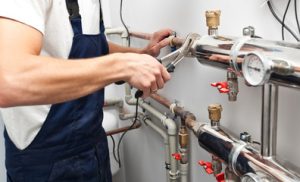
Westminster Plumber is responsible for installing, repairing, and maintaining water and sewage systems. They work in a variety of environments, including residential homes, commercial buildings, and industrial facilities.

Plumber

A career as a plumber is considered recession-proof because people need plumbing services no matter the economy. Learn more about this career path and what it takes to get started.

The first step to becoming a plumber is getting the proper education and training. This can be achieved by enrolling in an apprenticeship program. This will give you hands-on work experience and the chance to learn all aspects of this trade. You’ll start by shadowing your trainer and then eventually begin working on repair and installation projects under their supervision. This will help you develop a good foundation of knowledge and skills for the trade, while also giving you a taste of what it’s like to work with customers and how to navigate company culture.

Apprenticeship programs are offered at community colleges, vocational schools and professional plumbing associations. They typically include classes in math, physics and computer-aided drafting, which will prepare you for the technical aspects of the job. They’ll also introduce you to the basics of plumbing design, piping and code regulations. Whether you’re looking to become a residential plumber or work on commercial systems, you’ll need these basic skills to perform your job.

You can also take online courses to further your education and career. Online education for plumbers is flexible, convenient and affordable. These courses can be completed from the comfort of your own home or office, and can be completed at a pace that suits your lifestyle. There are many online programs to choose from, but make sure you check the licensing requirements in your city and state before signing up. One option is the NexTech Academy plumber certification program, which offers a comprehensive overview of all the necessary plumbing skills. This includes piping techniques, plumbing codes, kitchen and bathroom rough-in, fixture installation, repair and drain cleaning. The course uses engaging learning modules that include reading, interactive quizzes and videos, skill practice demonstrations and more.

Depending on the type of plumbing you specialize in, your workplace environment will vary. In residential settings, plumbers will often work directly with homeowners and apartment tenants to perform repairs on broken pipes, clogged drains or malfunctioning appliances. This can require navigating tight spaces and crawl spaces, so it’s important to be comfortable with these types of environments. Plumbers must also be aware of any safety protocols in their specific workplace, especially when working with hazardous materials or in elevated positions.

Work Environment

Plumbers work in a variety of environments. Some work in cozy homes or drafty basements, while others might find themselves on an active construction site or tackling massive pipe systems at factories. This constant change keeps the job interesting, but it also requires a lot of physical labor. Lifting heavy pipes and squeezing into tight spaces can take its toll, so it’s important for plumbers to be in good health.

Plumbers often collaborate with other professionals, including architects and engineers, to ensure that plumbing is integrated seamlessly into building projects. This can help to prevent problems down the road and ensure that all standards and regulations are met. Plumbers also must be able to read and interpret blueprints in order to properly complete installations.

Some Plumbers specialize in specific areas of the industry. Service and repair plumbers focus on repairs and replacements for water supply, drainage, and fixtures in residential and commercial properties. This role can be very hands-on and requires the ability to troubleshoot issues quickly and accurately. Other Plumbers focus on water conservation and energy efficiency, installing low-flow faucets and toilets, rainwater harvesting systems, and other green technologies. This can be a very rewarding job for those with the right personality, as it allows them to contribute to a more sustainable future.

Many Plumbers are on-call for emergency situations, such as burst pipes or severe clogs. This can require them to work evenings and weekends, but it can also mean higher wages. Some even choose to open their own plumbing businesses, allowing them to control their own hours and determine how much they want to work.

Plumbers must also be aware of safety hazards in their environment, including slippery floors and toxic fumes. Using proper ventilation can reduce these risks, as can wearing protective clothing and using appropriate safety equipment when working with tools or in hazardous locations. It is also a good idea to wear eye protection when working with chemicals or in tight spaces. A mask can also protect against fumes and dust. In addition, Plumbers should always wear sturdy shoes to avoid slips and falls in the workplace.

Job Duties

Installing, maintaining, and repairing plumbing systems in residential, commercial, and industrial settings. Plumbers use specialized tools and equipment to repair and install pipe systems, fixtures, and appliances such as sinks, toilets, showers, and water heaters. They also interpret blueprints and building codes to plan plumbing installations and repairs. Other job duties may include inspecting and testing plumbing systems, analyzing problem areas, and providing recommendations to customers. Plumbers are responsible for ensuring that all work meets local and national plumbing codes.

Plumbers often work with hand and power tools, soldering equipment, pliers, wrenches, and other mechanical tools. They must be comfortable working in tight and confined spaces, climbing, and lifting heavy objects. Plumbers should have good attention to detail and be able to solve complex problems quickly and accurately. They must also be able to communicate well with customers and other team members.

Many plumbers work on call, and therefore, must be available to respond to customer calls at any time of day or night. They must be able to travel to customer sites as needed, and be willing to work overtime when required. Plumbers must have a valid driver’s license and be able to pass a background check and drug test.

The most common workplace for a plumber is in a residential setting. They often work with home owners or tenants to repair or replace plumbing fixtures and appliances, such as toilets, bathtubs, showers, and kitchen sinks. They also install new plumbing systems during construction or renovation projects. Plumbers in this setting often work with other tradespeople, such as carpenters and electricians.

Other common workplaces for plumbers are hospitals, commercial buildings, and manufacturing plants. These settings require a different set of skills, and plumbers working in these environments must be familiar with the specific needs of each facility. For example, a hospital may have strict requirements for the quality of its water supply. A commercial building may have large-scale piping systems, and a manufacturing plant might have unique plumbing needs related to the production process. Plumbers in these settings must be able to work with a wide range of materials and must understand the unique needs of each facility.

Salary

A career as a plumber, pipefitter or steamfitter can be highly rewarding and financially secure. Whether you are a recent high school graduate or an experienced professional seeking a new challenge, becoming a plumbing professional provides the potential to advance quickly and build a successful business. To maximize your earning potential, understand professional plumber wages, job prospects in your state and other factors that influence salary rates.

The demand for plumbers remains steady across the country, despite economic fluctuations. Aging buildings and city infrastructure require plumbers to perform regular maintenance, as do construction projects. Cities are also focusing on water conservation and installing smart water technologies that require plumbers to install. You can stand out in the field by keeping up with these advancements and expanding your knowledge base to include new technologies such as digital or eco-friendly appliances, fixtures and pipes.

In addition to basic plumbing skills, plumbers need physical stamina and dexterity to work in tight spaces and with heavy equipment. They must have good communication skills to interact with customers and explain complex plumbing issues in layman’s terms.

While the average plumber salary is $63,835, it can vary significantly depending on location, specialization, licensing qualifications and years of experience. Plumbers who specialize in medical gas or high-pressure piping tend to earn higher salaries than those with general plumbing certification. Those who own their own plumbing businesses can command even higher wages.

Regional demand and seasonal variations influence plumber salaries as well. For example, areas prone to extreme weather are more likely to see burst pipes and other emergencies that lead to higher demand and higher salaries for plumbers.

The best way to increase your earning potential is to become a master plumber with advanced training and years of experience. You can achieve this by taking continuing education courses to expand your skill set and maintain your license. These courses are offered by many industry organizations and provide a valuable opportunity to network with other plumbers and industry professionals. Moreover, the extra knowledge you gain can help you improve your job performance and increase client satisfaction.