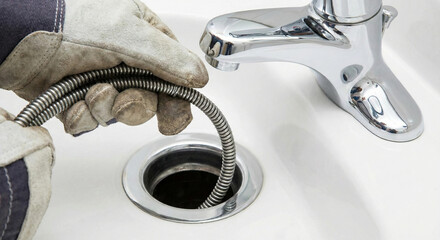
How Much Does Drain Cleaning Cost? What Homeowners Should Know

Drain Cleaning

A slow drain may seem like a minor inconvenience, but it can quickly become a much bigger plumbing concern. Water that takes longer than usual to disappear from a sink, shower, or bathtub often signals buildup somewhere inside the drainage system. As the blockage becomes worse, unpleasant odors, standing water, and even backups can follow. This is why understanding drain cleaning cost can help homeowners prepare before a simple clog turns into an expensive plumbing problem. Knowing what affects the price can also make it easier to recognize when professional service is worth considering.

Drain Cleaning Westminster involves more than simply removing visible debris from a drain opening. A blockage can develop deep inside a pipe because of hair, grease, soap residue, food particles, mineral deposits, or other materials. Different types of blockages require different approaches, which means the cost can vary from one situation to another. The accessibility of the drain, severity of the clog, and method required can all influence the final price. Understanding these factors can help homeowners make informed decisions about their plumbing systems.

What Is the Average Cost of Drain Cleaning?

The cost of drain cleaning can vary significantly depending on the type of drain, severity of the blockage, and amount of work required. A simple clog in an accessible sink or bathtub drain is generally easier to address than a blockage deep within a main sewer line. Basic cleaning may involve straightforward equipment and less labor, while difficult blockages may require specialized tools. The condition of the plumbing system can also influence how much time the work takes. Because every drainage problem is different, an exact price usually requires an assessment of the situation.

Another factor that affects pricing is whether the service involves a single clogged fixture or a larger portion of the plumbing system. Clearing one drain may be relatively simple, while multiple slow drains can indicate a blockage farther along the main line. Recurring backups may also require additional investigation to identify the underlying cause. In some cases, cleaning alone may not solve the problem if a pipe is damaged or severely deteriorated. A professional evaluation can help determine the actual source of the issue before unnecessary work is performed.

What Factors Affect Drain Cleaning Cost?

Several factors can influence the total cost of drain cleaning. The location of the blockage is one of the most important considerations because easily accessible drains are generally simpler to service. The severity and size of the clog can also affect how much labor and equipment are needed. Older plumbing systems may require additional care because pipes can be fragile or affected by corrosion. If the blockage is located deep within the drainage system, the service may become more complex and require specialized equipment.

The cleaning method used can also affect the final cost. A basic mechanical drain snake may be appropriate for some common clogs, while more stubborn blockages may require hydro jetting or other specialized techniques. The type of debris inside the pipe can influence which method is most effective. Grease, mineral buildup, tree roots, and hardened deposits may require more intensive cleaning than loose debris. The time required to diagnose and clear the problem can therefore vary considerably from one household to another.

How Does the Type of Drain Affect the Price?

Different drains can present different levels of difficulty when they become clogged. Kitchen drains commonly collect grease, food particles, and other residue that gradually restrict water flow. Bathroom sinks and shower drains are more likely to experience hair and soap buildup. Toilet blockages can involve paper, waste, or inappropriate items that have been flushed into the plumbing system. Each situation may require a different cleaning approach, which can influence the amount of work involved.

A main drain or sewer line can be more complicated because it serves multiple fixtures throughout the property. When several drains begin backing up at approximately the same time, the problem may not be limited to one fixture. A blockage farther down the system can affect sinks, showers, toilets, and other connected drains. Clearing a main line may require longer equipment and more advanced techniques than cleaning a household fixture. For this reason, homeowners should not assume that every clogged drain will have the same service cost.

When Should You Hire a Professional for Drain Cleaning?

Some minor clogs may temporarily improve with simple household methods, but recurring problems deserve closer attention. If a drain repeatedly becomes slow shortly after being cleared, there may be a deeper issue inside the plumbing. Gurgling sounds, unpleasant odors, and water backing up into another fixture can also indicate that the blockage is more extensive. These signs suggest that simply treating the visible drain opening may not address the actual cause. Professional drain cleaning can provide a more thorough approach when basic methods are no longer effective.

Professional assistance is especially important when multiple fixtures are affected. Several slow or blocked drains can indicate a problem with a shared drain line rather than separate clogs. Attempting aggressive do-it-yourself methods without understanding the plumbing layout can sometimes cause additional problems. Certain chemical drain cleaners may also damage pipes when used improperly or repeatedly. Having the system assessed can help identify the blockage and determine the safest cleaning method.

Can Regular Drain Cleaning Save Money?

Regular attention to drainage problems can help reduce the risk of costly plumbing emergencies. Removing buildup before it becomes a severe blockage allows water to flow more freely through the pipes. Homeowners can also reduce the amount of grease, hair, food debris, and other materials entering their drains. Simple habits can make a meaningful difference when consistently followed. Preventive care is often easier and less disruptive than dealing with a completely blocked drainage system.

Routine maintenance can also help identify developing plumbing problems. A drain that becomes gradually slower may indicate accumulating buildup before a complete blockage occurs. Addressing the issue at this stage can reduce the amount of work required to restore normal flow. Professional cleaning may be useful for systems that experience frequent buildup or recurring clogs. Regular maintenance should complement good daily habits rather than replace them.

Is Professional Drain Cleaning Worth the Cost?

Professional drain cleaning can be worthwhile when a blockage is difficult to remove, keeps returning, or affects multiple fixtures. Experienced professionals can assess the drainage system and select an appropriate cleaning method based on the type and location of the obstruction. This can reduce the risk of repeatedly treating the same symptom without addressing its underlying cause. Professional equipment can also reach deeper into pipes than many common household tools. The goal is not only to restore water flow but also to help prevent the same problem from happening again.

The value of drain cleaning also depends on the potential consequences of ignoring a blockage. A severely clogged drain can eventually lead to standing water, backups, unpleasant odors, or water damage. In more serious situations, prolonged blockage may contribute to additional stress on the plumbing system. Addressing drainage problems early can therefore protect both the plumbing and surrounding areas. When comparing the cost of cleaning with the potential cost of a larger plumbing emergency, timely maintenance can be a practical investment.

Final Thoughts

Drain cleaning cost depends on several factors, including the location and severity of the blockage, type of drain, cleaning method, accessibility, and condition of the plumbing system. A simple fixture clog may require less work than a blockage deep inside a main drain line. Recurring clogs and multiple affected fixtures can also indicate a more serious issue that requires professional evaluation. Understanding these factors can help homeowners set realistic expectations about pricing and avoid unnecessary repairs. Most importantly, addressing drainage problems early can help protect the plumbing system and prevent minor inconveniences from becoming major emergencies.
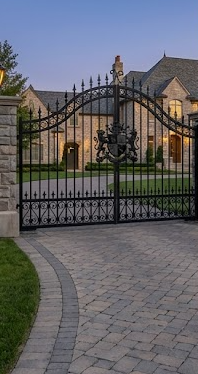
Metal Gates: Design Ideas and Benefits for Your Property

Metal Gates

A gate does much more than mark the entrance to a property. It can provide security, establish privacy, complement architectural features, and create a strong first impression before visitors even reach the front door. Metal gates from 83MetalCraft LLC are especially popular because they combine strength and durability with an impressive range of design possibilities. From clean contemporary entrances to decorative traditional styles, metal can be fabricated to suit residential and commercial properties of almost any appearance.

Understanding different metal gate design ideas and benefits can help property owners choose an entrance that provides practical protection while enhancing the overall character and value of the property.

What Makes Metal Gates a Popular Choice?

Metal gates are valued primarily for their combination of strength and versatility. Unlike lightweight materials that may become damaged by impacts or everyday use, properly fabricated metal provides a sturdy barrier at an entrance. Steel, iron, aluminum, and other metals can be selected according to the appearance, weight, maintenance needs, and performance required for a particular project. This flexibility makes metal suitable for everything from compact pedestrian entrances to large driveway gates. A properly designed gate can provide reliable performance for many years.

Another major advantage is the amount of customization available. Metal can be cut, bent, welded, and fabricated into simple geometric patterns or elaborate decorative features. Property owners are therefore not limited to standard gate shapes or generic designs. Dimensions, spacing, finishes, decorative details, and hardware can all be tailored to complement the surrounding architecture. Custom fabrication allows the finished gate to become an intentional part of the property’s overall design.

What Are Some Modern Metal Gate Design Ideas?

Modern metal gates often feature clean lines, simple shapes, and minimal decorative details. Horizontal or vertical metal slats are especially popular because they create a streamlined appearance that works well with contemporary homes. Depending on the spacing between the slats, the design can provide either an open appearance or greater privacy. Dark or neutral finishes can further emphasize the clean architectural style. The result is an entrance that feels modern without becoming visually overwhelming.

Geometric patterns provide another way to create a contemporary gate with more visual interest. Squares, rectangles, diagonal lines, and asymmetrical arrangements can transform an otherwise simple entrance into an architectural feature. Laser-cut metal panels can also incorporate detailed patterns while maintaining a sleek overall appearance. Combining solid panels with open sections creates contrast and helps balance privacy with visibility. Modern gate designs can therefore range from extremely minimalist to highly distinctive.

How Can Traditional Metal Gates Enhance a Property?

Traditional metal gates remain popular because decorative metalwork can create an elegant and timeless appearance. Curved profiles, scrollwork, ornamental pickets, and decorative accents can complement classic architecture particularly well. These gates are often designed to provide visibility through the entrance while still creating a clear property boundary. Decorative details can be adjusted to match nearby railings, fences, balconies, or exterior features. Coordinating these elements creates a more unified appearance.

Traditional designs do not necessarily need to be heavily ornamented. A simple arched gate with carefully proportioned vertical bars can provide a classic look without excessive decoration. Finials and other small details can then be added selectively to create character. The finish also influences the overall appearance, allowing a traditional gate to feel formal, rustic, or understated. Thoughtful customization makes traditional metal gates suitable for a wide range of properties.

Can Metal Gates Provide More Privacy?

Metal gates can be designed to provide substantial privacy when that is an important goal. Solid metal panels create the greatest visual barrier and can help shield driveways, patios, yards, or private entrances from surrounding streets and neighboring properties. Closely spaced horizontal or vertical slats offer another option for homeowners who want privacy without using a completely solid surface. The spacing can be customized according to the desired level of visibility. This makes privacy an integral part of the gate design rather than an added feature.

Metal can also be combined with other materials to create a warmer or more distinctive appearance. For example, a strong metal frame can support contrasting infill panels that soften the industrial appearance of the structure. Mixing materials allows property owners to coordinate the gate with exterior siding, fencing, landscaping, or other architectural elements. The structural benefits of metal remain while the infill creates the desired level of privacy. These combinations provide considerable creative flexibility.

What Are the Main Benefits of Installing a Metal Gate?

Security is one of the most important benefits of installing a metal gate. A strong gate creates a physical boundary that helps control access to driveways, yards, private entrances, and commercial areas. When paired with appropriate locks, latches, hinges, and access systems, it can discourage unauthorized entry while allowing property owners to manage who enters. The visible presence of a substantial gate can itself act as a deterrent. Security can be incorporated without sacrificing attractive design.

Durability is another significant benefit. A properly fabricated and finished metal gate can withstand frequent operation and exposure to changing outdoor conditions for many years. Protective coatings and suitable finishes help reduce corrosion and weather-related deterioration. Individual hardware components can also be maintained or replaced as they wear rather than replacing the entire gate. With appropriate care, a quality metal gate can become a long-term property improvement.

Are Swing Gates or Sliding Gates Better?

Swing gates are a popular choice when the property provides enough clear space for the gate panels to open safely. They may consist of a single panel or two panels that meet in the center of the entrance. Swing designs work with both traditional and contemporary architectural styles and can create an impressive appearance at wider driveways. However, the direction of the swing and surrounding grade must be considered carefully. Proper planning ensures that vehicles and landscaping do not interfere with operation.

Sliding gates are useful where space in front of or behind the entrance is limited. Instead of swinging outward or inward, the gate travels horizontally alongside the fence or property boundary. This configuration can be particularly practical for certain driveways and commercial entrances. Sliding gates can also be designed with solid panels, decorative metalwork, or contemporary slats just like swing gates. The best choice depends on available space, entrance dimensions, terrain, and daily use.

Can Metal Gates Increase Curb Appeal and Property Value?

A well-designed gate can dramatically change the appearance of a property’s entrance. Because the gate is often one of the first architectural elements visible from the street, its design can establish the visual character of the entire property. A gate that complements the building, fencing, landscaping, and exterior finishes creates a more polished appearance. Custom dimensions and proportions can make the entrance feel intentionally designed rather than simply enclosed. Strong curb appeal can contribute to a more attractive overall property.

Quality gates may also contribute to perceived property value by combining appearance with practical benefits. Prospective buyers may appreciate features that provide privacy, controlled access, security, and durable construction. A custom metal gate can be especially appealing when it integrates naturally with the home’s architecture rather than appearing like an afterthought. Maintaining the gate and its finish also preserves its appearance over time. Functional improvements that also enhance curb appeal can provide meaningful long-term value.

What Should You Consider Before Choosing a Metal Gate?

The design process should begin with how the gate will actually be used. Property owners should consider the width and height of the entrance, available opening space, desired privacy, frequency of operation, and whether vehicles or pedestrians will use the gate. The surrounding terrain is also important because slopes and uneven surfaces can affect installation and movement. Existing fences, walls, posts, and nearby structures must be considered as part of the overall design. Practical requirements should guide aesthetic decisions.

Material selection, finish, hardware, and maintenance requirements should also be considered carefully. Heavier gate designs require appropriate support and durable hinges or operating hardware. Outdoor metal surfaces need suitable protection against corrosion and weather exposure, particularly in demanding environments. If automation is planned, the gate should be designed with the operator and access controls in mind from the beginning. Careful planning helps create a gate that looks attractive while functioning reliably in everyday use.

Final Thoughts

Metal gates offer an effective combination of security, privacy, durability, and architectural style. Property owners can choose from modern slatted designs, geometric patterns, decorative traditional metalwork, solid privacy panels, and custom combinations that complement the surrounding building and landscape. The ability to customize dimensions, materials, finishes, hardware, and opening configurations makes metal suitable for a wide range of residential and commercial entrances. By considering both appearance and practical requirements during the design process, property owners can create a metal gate that improves everyday functionality while making the entrance more attractive. A thoughtfully designed and properly maintained metal gate can remain a valuable feature of the property for many years.